When a Huawei Router Vulnerability Took an Entire Country Offline
A few days ago, a fascinating — and honestly terrifying — story emerged from Luxembourg.
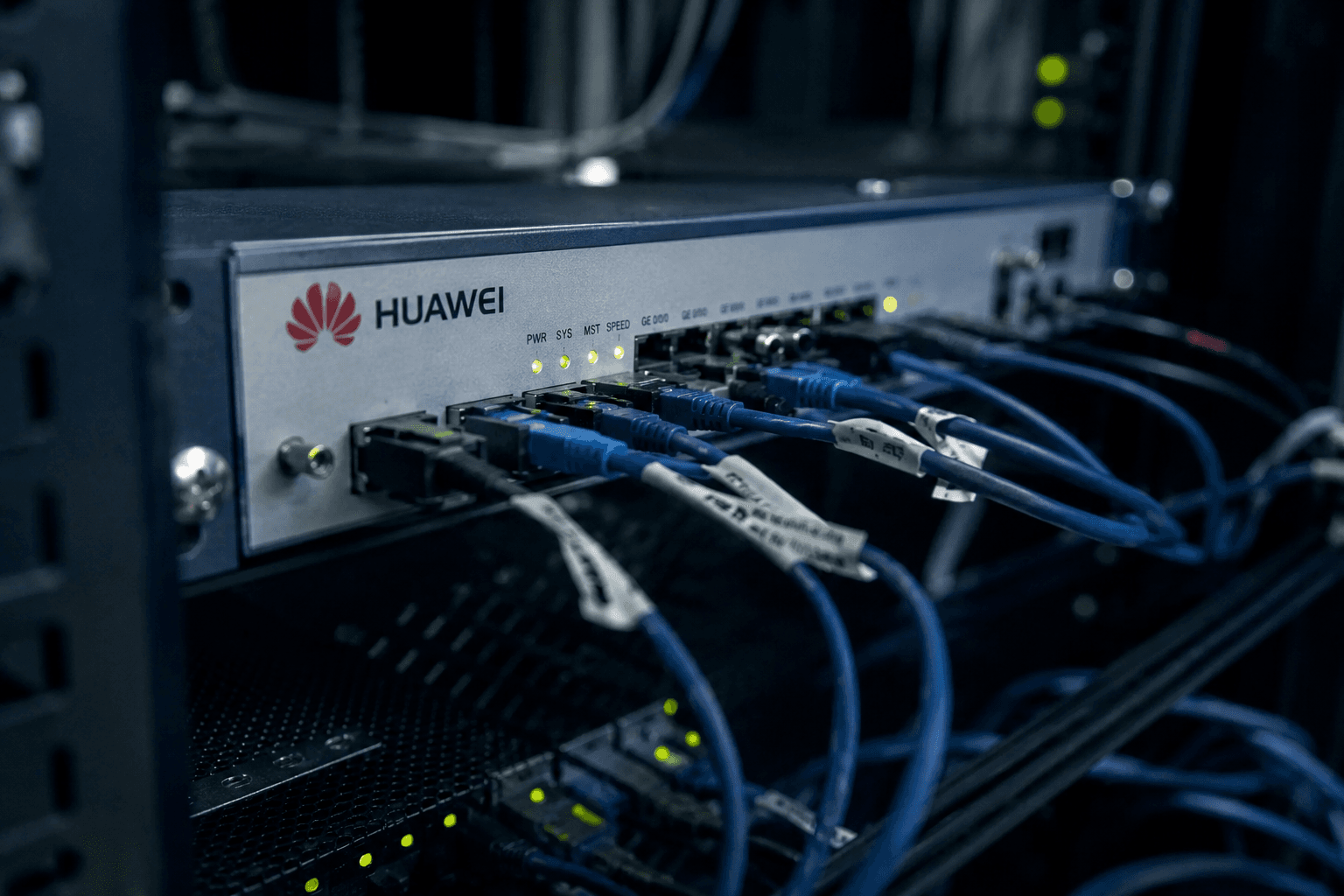
According to investigations reported by The Record, a previously unknown vulnerability affecting Huawei enterprise routers allegedly caused a nationwide telecom outage that disrupted mobile networks, landlines, Internet access, and even emergency communications for more than three hours.
Let that sink in for a second.
Not a ransomware attack.
Not a datacenter fire.
Not a massive DDoS.
A router vulnerability.
More specifically, specially crafted network traffic reportedly triggered Huawei devices into continuous reboot loops, effectively collapsing critical telecom infrastructure across the country.
And the most concerning part?
Almost a year later:
- no public CVE exists,
- no public advisory was released,
- no clear disclosure process happened,
- and operators worldwide still have very limited visibility into whether similar infrastructure remains exposed.
This incident should be a wake-up call for the entire industry.
The Most Critical Infrastructure Is Often the Least Visible
Modern cybersecurity discussions are heavily focused on:
- cloud security,
- EDR,
- identity protection,
- phishing,
- AI threats,
- and endpoint detection.
Meanwhile, the infrastructure that actually transports Internet traffic often remains poorly monitored.
Routers, switches, firewalls, carrier equipment and backbone infrastructure are frequently treated as:
- static appliances,
- operational tooling,
- or “set and forget” systems.
But these devices are among the most sensitive assets in any infrastructure.
Because compromising network equipment means controlling:
- traffic flows,
- availability,
- routing,
- segmentation,
- and potentially entire national communication systems.
The Luxembourg incident demonstrates exactly that.
A single undocumented behavior inside networking equipment was enough to impact an entire country’s connectivity.
The Real Problem Is the Visibility Gap
The technical vulnerability itself is obviously serious.
But the bigger issue might actually be what happened afterward.
According to multiple reports:
- no public CVE identifier was assigned,
- no public warning was distributed,
- and the vulnerability remains largely undocumented publicly nearly ten months later.
That creates an enormous problem for defenders.
Most vulnerability management programs rely heavily on:
- CVE databases,
- vendor advisories,
- vulnerability feeds,
- scanners,
- and patch management platforms.
But what happens when a vulnerability simply never appears publicly?
For many organizations, it effectively does not exist.
And that is dangerous.
Because enterprises may currently operate vulnerable infrastructure without any visibility that a critical issue even occurred.
This is precisely why continuous asset visibility and infrastructure intelligence are becoming essential.
Why Infrastructure Visibility Matters More Than Ever
One of the biggest problems in cybersecurity today is that many organizations still do not fully know:
- which network assets they expose to the Internet,
- which firmware versions are deployed,
- which devices are end-of-life,
- or which vendors are present across their infrastructure.
And when incidents like this Huawei outage happen, security teams suddenly realize how little visibility they actually have over their own network perimeter.
This is where platforms like ConnectMyAssets become increasingly relevant.
The goal is not simply maintaining an inventory spreadsheet.
Modern attack surface management requires continuous visibility into:
- exposed network appliances,
- vulnerable firmware versions,
- forgotten infrastructure,
- shadow assets,
- unsupported devices,
- and newly emerging vulnerabilities.
Because security teams cannot protect infrastructure they cannot see.
And in large enterprises or telecom environments, forgotten assets are far more common than most organizations would like to admit.
Huawei, Sovereignty, and Strategic Infrastructure
The incident also revives the broader debate around digital sovereignty and dependency on foreign infrastructure vendors like Huawei.
For years, discussions around Huawei have been politically charged.
But beyond geopolitics, this outage highlights a more operational reality:
Critical infrastructure depends on transparency.
When telecom operators rely on:
- proprietary firmware,
- closed network stacks,
- opaque vulnerability disclosure processes,
- and restricted advisory channels,
they also inherit the risks that come with that opacity.
And this is no longer just an enterprise problem.
Telecom infrastructure has become part of national resilience.
A weakness in core networking infrastructure can now affect:
- emergency services,
- banking systems,
- mobile communications,
- Internet access,
- transportation,
- and public trust itself.
In other words:
network infrastructure is no longer “just IT”.
It is strategic infrastructure.
Network Devices Are Becoming Prime Targets
Attackers increasingly target networking equipment because these systems:
- are less monitored,
- are patched less frequently,
- often expose management interfaces,
- and provide privileged visibility into traffic flows.
The problem becomes even worse in telecom and ISP environments where:
- uptime requirements delay upgrades,
- firmware changes are risky,
- maintenance windows are limited,
- and infrastructure complexity slows remediation.
As a result, vulnerable network equipment can remain exposed for years.
The Luxembourg incident simply exposed what many security professionals already suspected:
The network layer itself has become one of the most critical cybersecurity battlegrounds.
Cybersecurity Must Include Infrastructure Sovereignty
For years, cybersecurity strategies focused heavily on endpoints and applications.
But modern resilience also requires:
- infrastructure visibility,
- vendor transparency,
- vulnerability disclosure accountability,
- and sovereign control over critical network systems.
Because today, a single undocumented vulnerability in a router is no longer capable of impacting just one company.
It can impact an entire country.
And Luxembourg just reminded everyone of that reality.